Teacher Takeaway Podcast
  • Home
  • Podcast
    • Live Streams
  • Show Notes
  • Suggestion Box
  • Home
  • Podcast
    • Live Streams
  • Show Notes
  • Suggestion Box

                  Teacher Takeaway


                 Show Notes

S1, EP 24: Effective Feedback

8/11/2021

0 Comments

 
Picture

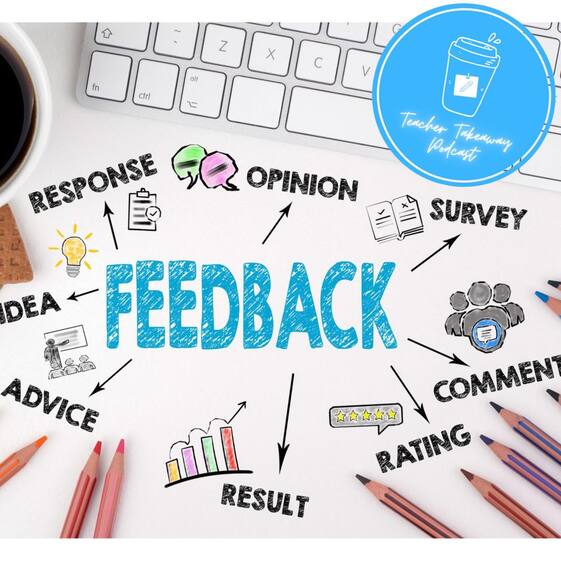
​How do we use feedback effectively in the teaching and learning cycle?

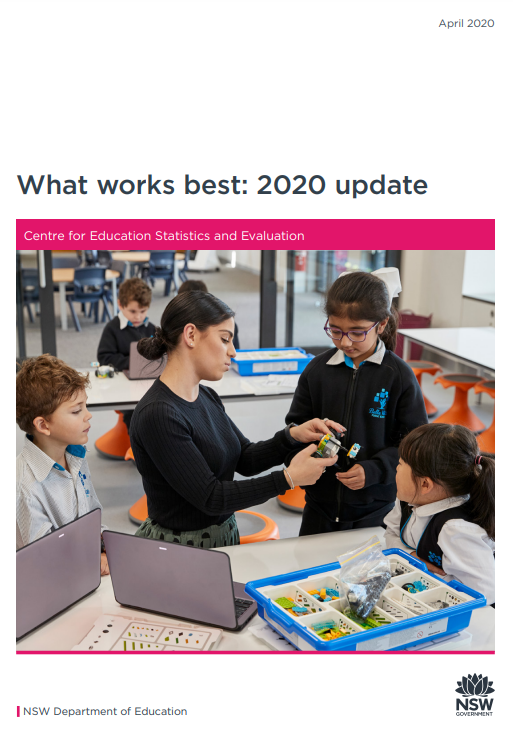
Feedback is a crucially important component of the teaching and learning cycle and a core component of evidence-based practice, according to the Centre for Education
Statistics and Evaluation (CESE, 2020). 
In episode 24, the Teacher Takeaway team discuss a range of key components and practices that support effective feedback, including:
  • purpose of feedback (1:05)
  • three major feedback questions (7:20)
  • levels of feedback (13:07)
  • examples of classroom practice (26:00)

Purpose of Feedback

Feedback gives clear direction for everyone and helps to demystify the learning process for learners. It helps both the students and teacher to understand what was done well and where learning needs to head next for each student as it relates to the learning intention and the outcomes in the syllabus.

The feedback process is about 'closing the gap' in learning. As teachers we need to know where students are and where they need to be, and feedback is part of the journey to achieving this in line with the intended learning intention and success criteria. Linking feedback back to the learning intention and success criteria ensures that your feedback is specific, and is linked to the focus of the learning session. 

Feedback is really imporant for teachers as well, as it supports our ability to be critically reflective on our own teaching processes. Eliciting feedback from students throughout the teaching and learning cycle supports teachers as they seek to understand their impact on student learning. 

Three Major Feedback Questions

There are three major questions that drive feedback and each question is supported by a number of practices and processes. 
Where Am I Going?
  • Understanding the intent for learning and why it is important (learning intention)
  • Understanding the criteria for success and the steps and processes required to achieve success (success criteria)
  • Recognising what success looks like (exemplar)
How Am I Going?
  • Reflecting on how learning is going at different points in the learning journing 
  • Identifying examples of success in relation to the success criteria
  • Identifying processes used to achieve success
Where To Next?
  • Understanding how we can build upon and extend learning once we have achieved success
  • Identifying new learning goals or next steps in the learning process

Feedback needs to be short, timely and specific. We know that  this has the most impact on student learning, especially when it is directly linked to the success criteria.
​-Teacher Takeaway Podcast, 2021

Levels of Feedback

Person-based feedback:
Self:
 involves praise as well as criticism, focused entirely on personality traits, does not include information on the learning process - "Good job."

Performance-based feedback:
Task: performance-based, provides learners with information about the product of learning. 

Process: performance-based, provides learners with information about the process they used to complete learning. 
​

Self-regulation: performance-based, provides learners with information about the mechanisms they apply to regulate their learning. 

Feedback that focuses on tasks, processes and student self-regulation is the most effective.
-CESE, 2020

Examples of Classroom Practice

  • Model effective feedback to students using the success criteria from the beginning, including using that language when examining exemplars.
    • model language 
    • model use of frameworks
    • scaffolded process that begins with teacher to student, then student self-reflection and finally student to student 
  • Frameworks: Glow and grow/stars and wishes/ warm and cool feedback/ medal and a mission
    • feedback slips 
    • stamps with images of framework, e.g 2 lightbulbs (glow) and a plant (grow)
    • using frameworks to elicit feedback on teacher practice 
  • Focus students per day 
  • Proof and evidence finding - checklists

​There's a right way and a wrong way to deliver the same message. Sometimes it's not what we say but how we say it.

It's how the message is delivered that is just as important as the message itself.
-Teacher Takeaway Podcast, 2021

Further Reading:

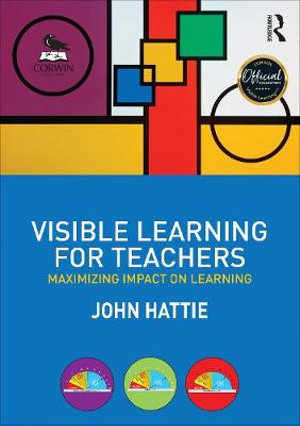
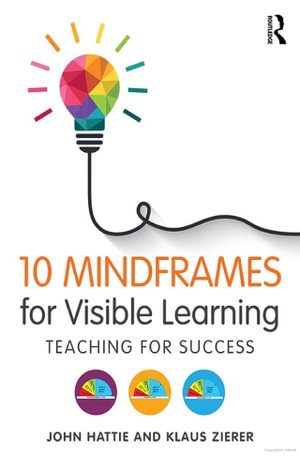
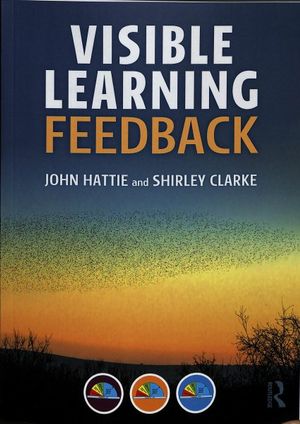
Want to read further about effective feedback? Perhaps start with these papers and books.
Picture
Picture
Picture
Picture
0 Comments

Your comment will be posted after it is approved.


Leave a Reply.

    Authors

    The Teacher Takeaway Podcast is hosted by four Australian teachers and school leaders. With a wealth of industry knowledge and expertise, Aaron Johnston, Alice Vigors, Rebecca West and James Gray bring all the elements of effective pedagogical practice to the fore in a light-hearted way. These show notes are a summary of each episodes discussion with some added gems for you to takeaway. Happy reading everyone.

    Archives

    April 2023
    March 2023
    February 2023
    January 2023
    December 2022
    November 2022
    October 2022
    September 2022
    August 2022
    July 2022
    June 2022
    May 2022
    April 2022
    March 2022
    February 2022
    January 2022
    December 2021
    November 2021
    October 2021
    September 2021

    Categories

    All
    Aboriginal & Torres Strait Islander Perspectives
    Assessment
    Beginning Of The Year
    Behaviour Management
    Book Week
    Casual Teaching
    Class Formation
    Classroom Environment
    Cognitive Load Theory
    Collaboration
    Collective Efficacy
    Co-teaching
    Creative Arts
    Cyber Safety
    Data
    Differentiation
    Early Career Teachers
    End Of Year Processes
    Expectations
    Explicit Teaching
    Expressions Of Interest (EOIs)
    Feedback
    Flexible Learning
    Flexible Seating
    Handover
    Highly Accomplished & Lead Accreditation
    High Potential And Gifted Education
    I Do We Do You Do
    Inquiry Learning
    Instructional Leader
    Job Applications
    Job Interviews
    Language Comprehension
    Leadership
    Learning Intentions
    Learning Walls
    Literacy
    New Teacher Advice
    Parent Interviews
    Parents And Carers
    Planning & Programming
    Podcast Celebration
    Podcast Guest
    Professional Learning
    Reconciliation
    Reflection On Practice
    Remote Learning
    Remote Teaching
    Reports
    Returning To School
    Routines
    School Culture
    Science
    Science Of Learning
    Science Of Maths
    Season 1
    Season 2
    Season 3
    SLSO
    Student Agency
    Student Voice
    Success Criteria
    Summer Holidays
    Support Roles
    Teacher Librarian
    Teacher Movies
    Teacher Preferences
    Teacher Takeaway Podcast
    Teacher Workforce Roundtable
    Teaching And Learning Cycle
    The Thinking Classroom
    Top 100 Podcasts
    Transition
    Wellbeing
    What Works Best

    RSS Feed

Powered by Create your own unique website with customizable templates.