Teacher Takeaway Podcast
  • Home
  • Podcast
    • Live Streams
  • Show Notes
  • Suggestion Box
  • Home
  • Podcast
    • Live Streams
  • Show Notes
  • Suggestion Box

                  Teacher Takeaway


                 Show Notes

S1, EP 26: Explicit Teaching

22/11/2021

0 Comments

 
Picture

Why is explicit teaching vital to student success?

Explicit teaching practices involve teachers clearly showing students what to do and how to do it, through the use of clear and explicit structures and practices.
In episode 26, the Teacher Takeaway team discuss the importance of explicit teaching in the classroom, including:
  • what is explicit teaching (1:02)
  • what does it look like in practice (2:44)
  • framing learning intentions and success criteria (10:30)
  • modelling language (23:30)

What is explicit teaching?​

Explicit teaching is about making sure, from the very beginning, that the students are aware of where we are going, what am I learning and ensuring that our teaching is very clear, succinct and explicit. It is a systematic practice that has a clear process in place and is scaffolded to support all students. 

Students should be able to reframe the intent of learning, the purpose of learning and the measures of success in their own language when they truly understand the learning and it has been communicated with clarity. 
​As teachers we can often overload students with too much language as we endeavour to explain concepts to students. It is therefore important that we keep it short, sharp and succinct. If students are still not understanding, then we need to refine the language we are using and the way we are explaining, in order to support student understanding. 

There are three questions that we can ask students to help us understand the clarity of our teaching:
  1. What am I learning?
  2. Why am I learning it?
  3. ​How will I know I have learned it?
Picture
Explicit teaching questions

What does it look like in practice?

Direct Instruction approach example might be using Heggarty Phonemic Awareness resources whereby the teacher reads from an explicit script to deliver short, sharp instruction on key phonological skills.
Explicit Instruction approach used K-6 across the school for all curriculum areas is the I Do, We Do, You Do model
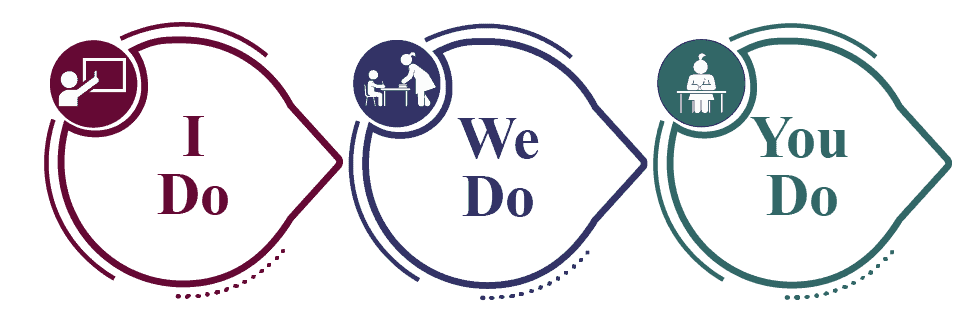
  • ​I Do: teacher outlines the learning intention, relevance of learning, success criteria and explicitly models the learning process.
  • We Do: teacher scaffolds learning and supports student understanding of concepts, offering feedback and gauging students readiness to move to the independent stage. This should reflect point of need for students. It doesn't mean all students are doing the same thing. 
  • You Do: students undertake learning tasks linked to the I Do and We Do stages to demonstrate what they know and understand with explicit and timely feedback provided about their learning. 
Picture
Source: evidencebased.teaching.org.au
The I do, We Do, You Do approach is a model of explicit instruction that can span a single lesson or is something that might transcend multiple lessons. How quickly you move through each phase of the model depends on:
  • stage of learners
  • type of content being covered 

Explicit teaching comes down to knowing our students and what they need.
-Teacher Takeaway Podcast, 2021


It is important to recognise the needs of all learners within our classrooms. If a group of high achieving students move from the I Do phase to the You Do phase quickly, without doing much in the We Do space, then we haven't done them any justice in terms of growing their skills and understanding. Using the National Literacy and Numeracy Progressions as a key reference point is essential to identifying student skills and where to take their learning next. There is clear commonality with the language used in the progressions which can aid teachers in identifying the core, support and extension skills of a concept. 

Framing Learning Intentions and Success Criteria

Learning Intentions and Success Criteria are immensely important to the explicit instruction process. Here are the Teacher Takeaway teams tips for effectively framing learning intentions and success criteria in your classroom.​

Learning Intentions

  • examine the relevant syllabus outcome and content indicator
  • unpack the language and rephrase it in student friendly language
  • is short, clear and easy for students to understand 

Success Criteria

  • ​​One way that we can ensure our measures of success are clear and progressive is through utilising the National Literacy and Numeracy progressions.
  • ​Rebecca West also suggests including visuals to support our EAL/D learners. 

WAGOLL/ Exemplars

The use of exemplars or WAGOLLs (What A Good One Looks Like) helps to support student understanding of success and how they know they have been successful in achieving the intent of learning. 

Modelling Language

It is important to also consider the use of vocabulary in the classroom.

Take a moment to reflect on the type of language you use with students everyday. Are you exposing them to right vocabulary and helping to understand the language? or Are you 'dumbing down' the language for students because of the barriers they might face? 

When choosing the type of language you use in your explicit instruction and day-to-day interactions with students, ensure that you are providing rich opportunities for exposure to a range of language.
Picture
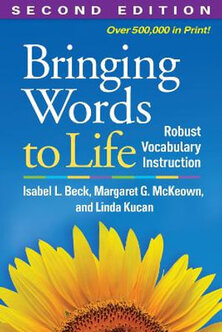
Rebecca West mentioned this book when talking about language use and vocabulary instruction in the classroom.

Further Reading:

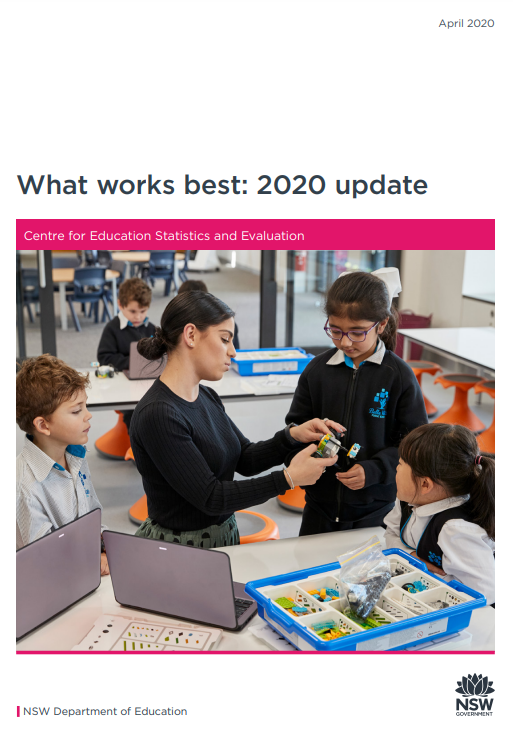
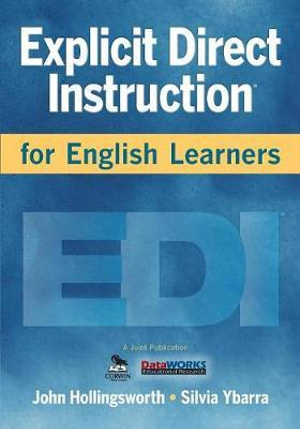
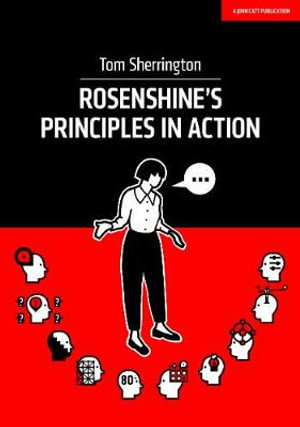
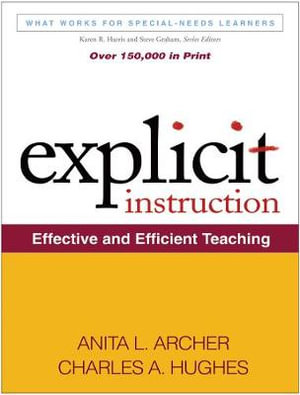
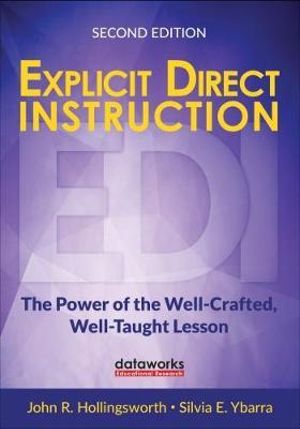
​Want to read further on explicit teaching? Perhaps start with these papers, books and webinars.
Picture
Picture
Picture
Picture
Picture
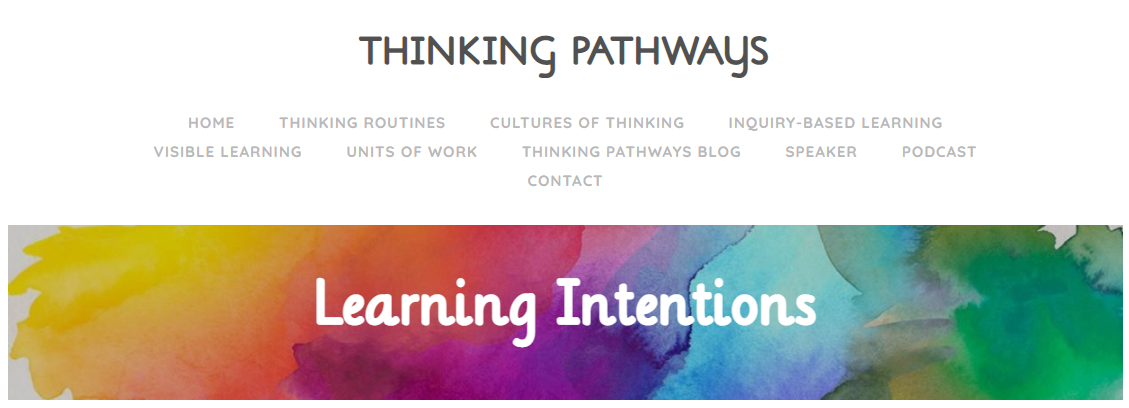
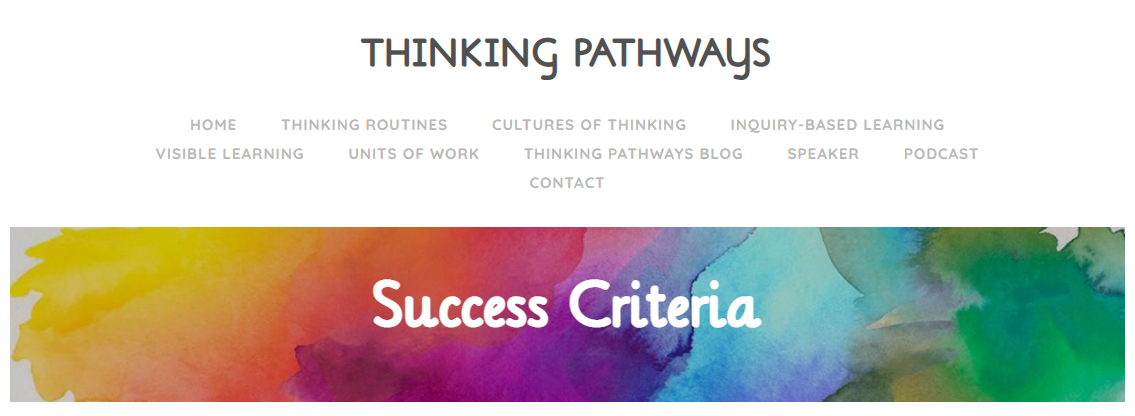
Visit the Thinking Pathways website where Alice Vigors shares more about Learning Intentions and Success Criteria.
Picture
Picture
Success Criteria and Teacher Clarity webinars from Corwin, presented November 2021 by ​Doug Fisher, John Almarode, Kateri Thunder, and Olivia Amador Valerio
0 Comments

Your comment will be posted after it is approved.


Leave a Reply.

    Authors

    The Teacher Takeaway Podcast is hosted by four Australian teachers and school leaders. With a wealth of industry knowledge and expertise, Aaron Johnston, Alice Vigors, Rebecca West and James Gray bring all the elements of effective pedagogical practice to the fore in a light-hearted way. These show notes are a summary of each episodes discussion with some added gems for you to takeaway. Happy reading everyone.

    Archives

    April 2023
    March 2023
    February 2023
    January 2023
    December 2022
    November 2022
    October 2022
    September 2022
    August 2022
    July 2022
    June 2022
    May 2022
    April 2022
    March 2022
    February 2022
    January 2022
    December 2021
    November 2021
    October 2021
    September 2021

    Categories

    All
    Aboriginal & Torres Strait Islander Perspectives
    Assessment
    Beginning Of The Year
    Behaviour Management
    Book Week
    Casual Teaching
    Class Formation
    Classroom Environment
    Cognitive Load Theory
    Collaboration
    Collective Efficacy
    Co-teaching
    Creative Arts
    Cyber Safety
    Data
    Differentiation
    Early Career Teachers
    End Of Year Processes
    Expectations
    Explicit Teaching
    Expressions Of Interest (EOIs)
    Feedback
    Flexible Learning
    Flexible Seating
    Handover
    Highly Accomplished & Lead Accreditation
    High Potential And Gifted Education
    I Do We Do You Do
    Inquiry Learning
    Instructional Leader
    Job Applications
    Job Interviews
    Language Comprehension
    Leadership
    Learning Intentions
    Learning Walls
    Literacy
    New Teacher Advice
    Parent Interviews
    Parents And Carers
    Planning & Programming
    Podcast Celebration
    Podcast Guest
    Professional Learning
    Reconciliation
    Reflection On Practice
    Remote Learning
    Remote Teaching
    Reports
    Returning To School
    Routines
    School Culture
    Science
    Science Of Learning
    Science Of Maths
    Season 1
    Season 2
    Season 3
    SLSO
    Student Agency
    Student Voice
    Success Criteria
    Summer Holidays
    Support Roles
    Teacher Librarian
    Teacher Movies
    Teacher Preferences
    Teacher Takeaway Podcast
    Teacher Workforce Roundtable
    Teaching And Learning Cycle
    The Thinking Classroom
    Top 100 Podcasts
    Transition
    Wellbeing
    What Works Best

    RSS Feed

Powered by Create your own unique website with customizable templates.